
How to Select the Right Dental Motor for Implant and Endo Devices
Choosing the right dental motor is critical for device performance, precision, and reliability.
This guide explains how to select motors for implant and endodontic systems based on torque, speed, control, and integration requirements.
Why Motor Selection Matters in Dental Devices
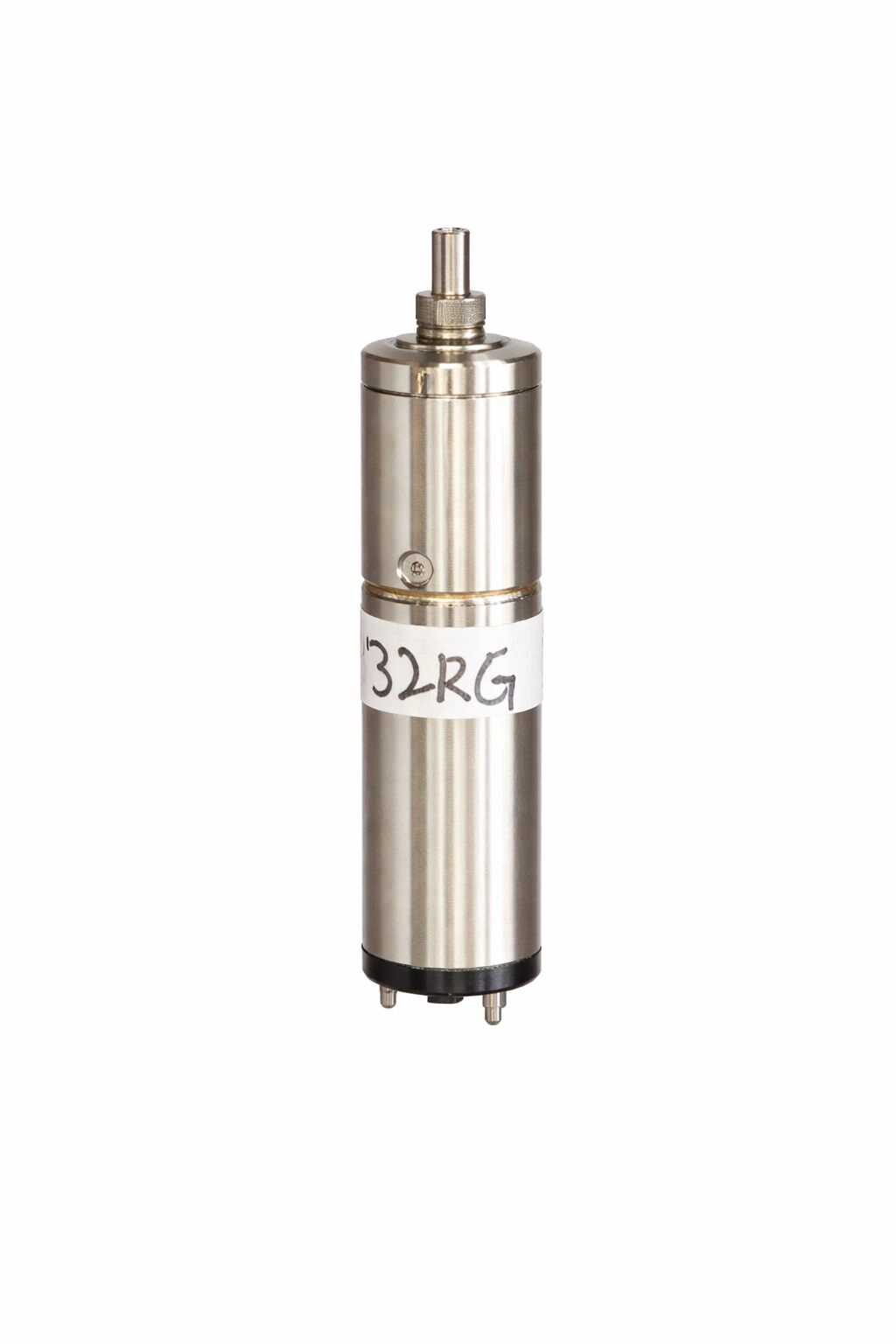
dental motor with gearbox for implant and endodontic systems
In dental applications, motor selection is not just about speed or size — it directly affects surgical precision, user experience, and long-term reliability.
For implant systems, stable torque output under load is critical to ensure safe and controlled drilling.
For endodontic devices, precise speed control and responsiveness are essential for delicate canal procedures.
A poorly selected motor can result in:
- unstable performance under load
- inaccurate torque control
- overheating or reduced lifespan
- integration complexity with the handpiece or controller
Common Mistakes in Dental Motor Selection
Many OEM manufacturers face similar challenges when selecting motors:
Focusing only on speed (RPM)
→ High speed does not equal better performance
Ignoring torque under real load conditions
→ Especially critical in implant procedures
Overlooking integration complexity
→ Encoder, driver, and mechanical fit are often underestimated
Not considering sterilization requirements
→ High temperature resistance can be a hidden constraint
In dental applications, torque stability matters more than peak speed.
Visit Motor OEM Solution Integration for Implant and Endo device
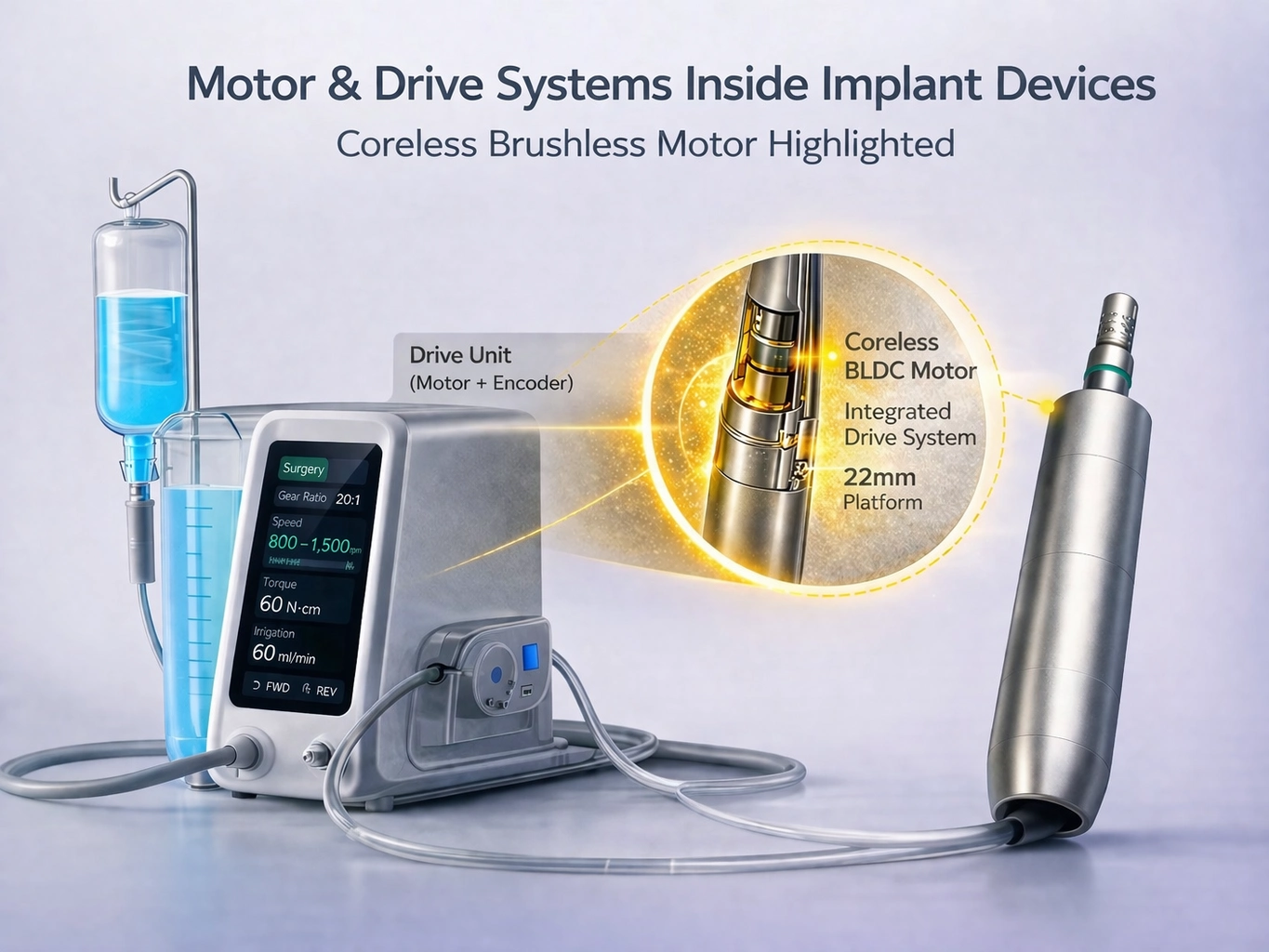
Key Factors When Selecting a Dental Motor
1. Torque Requirements
Implant systems typically require:
- high torque output
- stable performance at low speed
Endodontic systems require:
- controlled torque
- quick response to load changes
2. Speed Range
- Implant: low speed, high torque (with gearbox)
- Endo: moderate speed with precise control
⚠️ Important: Displayed speed (e.g. 120,000 rpm) often refers to motor speed before gear reduction, not output speed.
3. Motor Type: Brushed vs Brushless
- compact
- cost-effective
- suitable for certain endo applications
Brushless (BLDC) motors
- longer lifespan
- higher efficiency
- better for implant and high-demand use
4. Gearbox Integration
In most implant systems:
👉 The motor itself is high-speed
👉 Torque is achieved through gear reduction (e.g. 20:1)
This means:
- motor ≠ final output g
- earbox plays a critical role
5. Encoder & Control
For precise applications:
- encoder enables closed-loop control
- improves torque accuracy
- ensures consistent performance
6. Sterilization & Thermal Resistance
For implant handpiece environments:
motors may need to withstand:
- high temperature sterilization
- harsh operating conditions
👉 Not all motors are designed for this
Designing for Integration

Engineering discussion for dental motor selection and OEM integration
Ultimately, size-to-power ratio is not just a motor specification—it affects how easily the drive integrates into the handpiece system. Proper matching ensures consistent torque delivery, reduced vibration, and predictable lifespan in demanding dental environments.
Checklist: Quick Selection Guide(Application and key requirement)
Do You Need a Gearbox or Encoder?
Need high torque at low speed → gearbox required
Need precise control / feedback → encoder recommended
In many modern dental systems:
👉 motor + gearbox + encoder = integrated drive solution
From Motor Selection to Integration
Selecting the right motor is only the first step.
In real OEM projects, challenges often come from:
- integration with controllers
- matching gearbox configurations
- ensuring stable performance under real use conditions
At FingerAct, we support dental device manufacturers not only with motor supply, but also with selection guidance and integration support.

This guide is very helpful for dental device engineering. The distinction between torque needs for implant and endo systems is clear, and it will help our team avoid mistakes. We are interested in the motors, so how can we make a purchase?